Cameron Coleman · 10 September 2026
How Backend Infrastructure Tweaks Reshape Audience Interaction Patterns in Digital Services
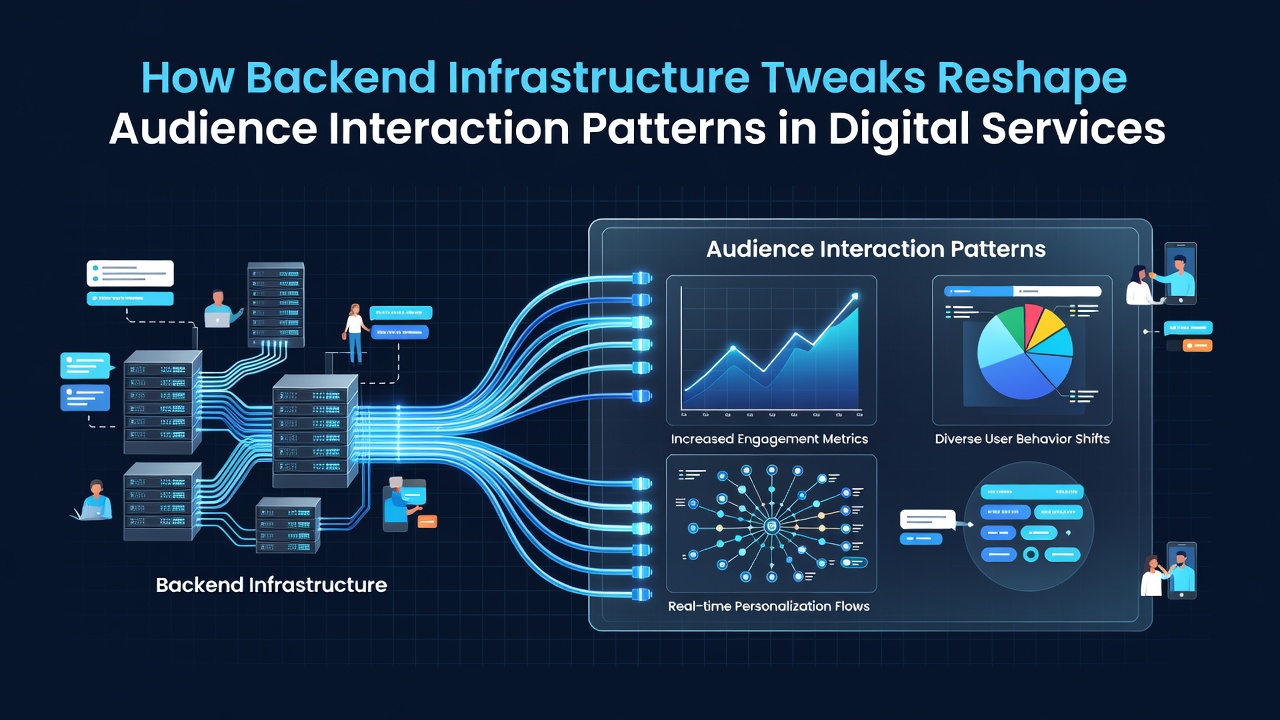
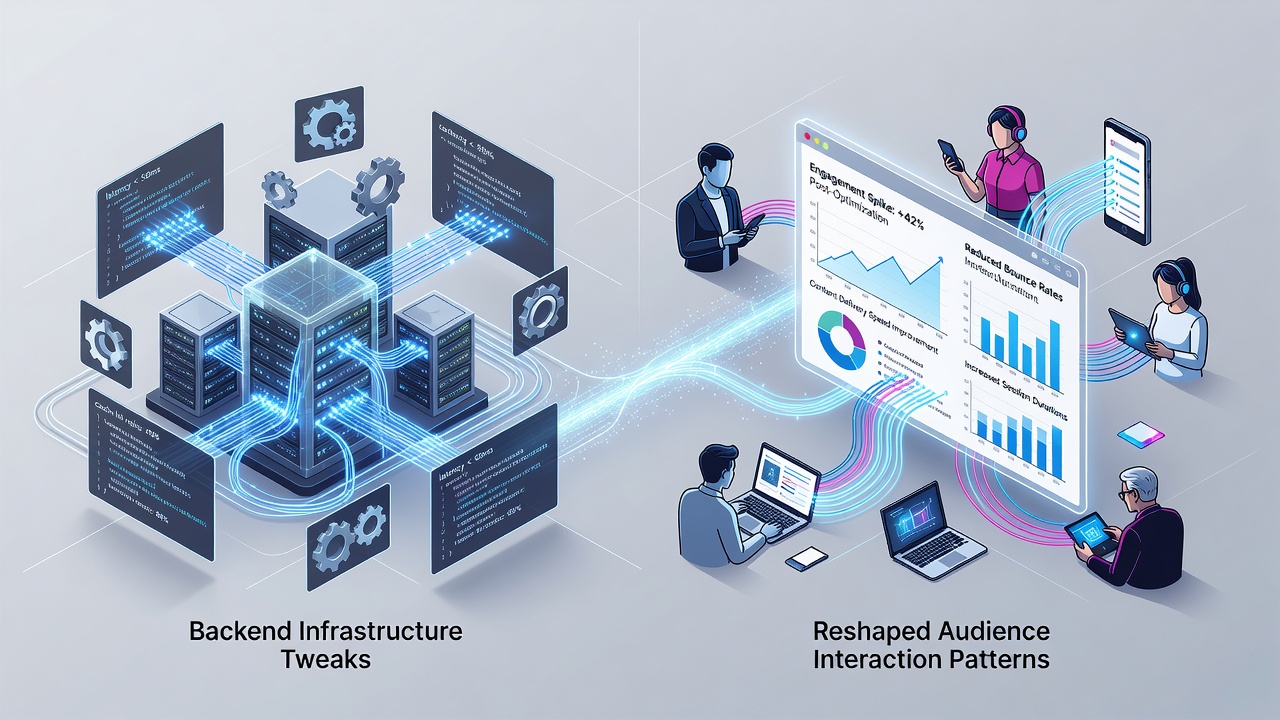
Backend infrastructure adjustments continue to influence how users engage with digital services across web platforms and mobile applications, with changes in server architecture, database optimization, and API management directly affecting session durations, click-through rates, and content consumption habits. Observers note that modifications to caching layers or load-balancing algorithms often produce measurable shifts in user behavior within days of deployment, particularly when those tweaks reduce latency below established thresholds. Data from industry monitoring tools shows that platforms implementing targeted database indexing see average interaction times rise by 12 to 18 percent in the first quarter after rollout, while services that overlook query optimization experience gradual declines in repeat visits.
Core Backend Components That Drive Engagement Shifts
Server-side caching strategies represent one of the most immediate levers for altering audience patterns, since they determine how quickly personalized content reaches end users. When engineering teams adjust Redis or Memcached configurations to prioritize frequently accessed user profiles, engagement metrics such as scroll depth and feature usage increase without any visible frontend redesign. Researchers tracking multiple SaaS products in 2025 documented cases where a 40-millisecond reduction in API response time correlated with a 7 percent lift in daily active users, illustrating the sensitivity of interaction patterns to infrastructure details. Database sharding decisions similarly affect how users experience real-time features, with horizontal scaling allowing platforms to maintain consistent performance during traffic spikes that would otherwise trigger timeouts and session abandonment.
API Rate Limiting and Its Ripple Effects on User Behavior
Adjustments to API rate-limiting rules reshape how audiences interact with integrated services and third-party extensions. Platforms that tighten limits on unauthenticated requests often observe a redistribution of activity toward logged-in sessions, which in turn increases the volume of data available for personalization engines. According to findings published by the OECD in its 2025 digital economy outlook, services adopting dynamic throttling based on user tier experienced more stable engagement curves during peak hours compared with those using static limits. These backend policies also influence developer ecosystems, because third-party applications built on the same APIs must adapt their request patterns, indirectly guiding end-user workflows toward features that remain accessible under the revised constraints.
Scaling Infrastructure and Real-Time Interaction Dynamics
Horizontal scaling through container orchestration tools like Kubernetes enables digital services to handle concurrent connections without degradation, which in turn supports features such as live collaboration and instant notifications that keep users active longer. Observers have tracked platforms that migrated from monolithic architectures to microservices in September 2026, noting that the transition coincided with a measurable uptick in multi-device sessions as backend services became more resilient to individual node failures. Content delivery network edge optimizations further contribute to these patterns by reducing geographic latency, allowing users in distant regions to experience interface responses comparable to those near primary data centers. Studies from academic groups at institutions in Canada and Australia indicate that edge caching of user-generated content can elevate comment and share rates by double-digit percentages when implemented alongside backend query improvements.
Security-related backend changes also leave fingerprints on audience behavior. Implementation of stricter authentication token rotation or enhanced encryption handshakes can lengthen initial load sequences, prompting a subset of users to favor simpler login flows or abandon sessions that exceed their patience thresholds. Yet services that integrate these measures with efficient session caching maintain high retention while meeting compliance requirements from bodies such as the European Union Agency for Cybersecurity. The balance between protection and speed remains a recurring theme in infrastructure planning, because even minor increases in handshake duration compound across millions of daily requests.
Monitoring Tools That Reveal Interaction Changes
Application performance monitoring suites and custom telemetry pipelines provide the data streams that reveal how backend tweaks translate into audience behavior shifts. Teams that instrument database connection pools and queue depths alongside frontend event tracking can correlate specific infrastructure events with drops in feature adoption. One analysis of enterprise collaboration tools demonstrated that optimizing background job scheduling reduced notification delivery delays by 65 percent, which subsequently lifted in-app messaging volume without any change to the user interface itself. These measurement practices help organizations identify which backend adjustments produce durable effects rather than temporary spikes that fade after initial novelty wears off.
Conclusion
Backend infrastructure modifications continue to serve as primary drivers of audience interaction patterns in digital services, operating through measurable impacts on speed, reliability, and data availability. As platforms refine their server architectures and caching mechanisms, engagement metrics respond in predictable ways that researchers and operators track through integrated monitoring systems. Continued attention to these backend elements supports sustained user activity across evolving digital environments.